
Abacus Classes for Kids: Benefits, Right Age, and What to Expect
Quick answer: Abacus classes for kids teach children to calculate using a physical bead-counting tool, then progress to "mental abacus" — visualizing the beads to solve math mentally. Most programs start around age 5–6, run in level-based stages over several months to years, and are known for improving calculation speed, focus, and number confidence.
If you're a parent researching abacus classes for kids, you've probably heard two things repeatedly: it sharpens mental math, and it needs consistent practice to actually work. Both are true. Here's a clear, practical look at what abacus classes involve, the real benefits, the right age to start, and how to tell a good program from a mediocre one. read more
What Are Abacus Classes for Kids?
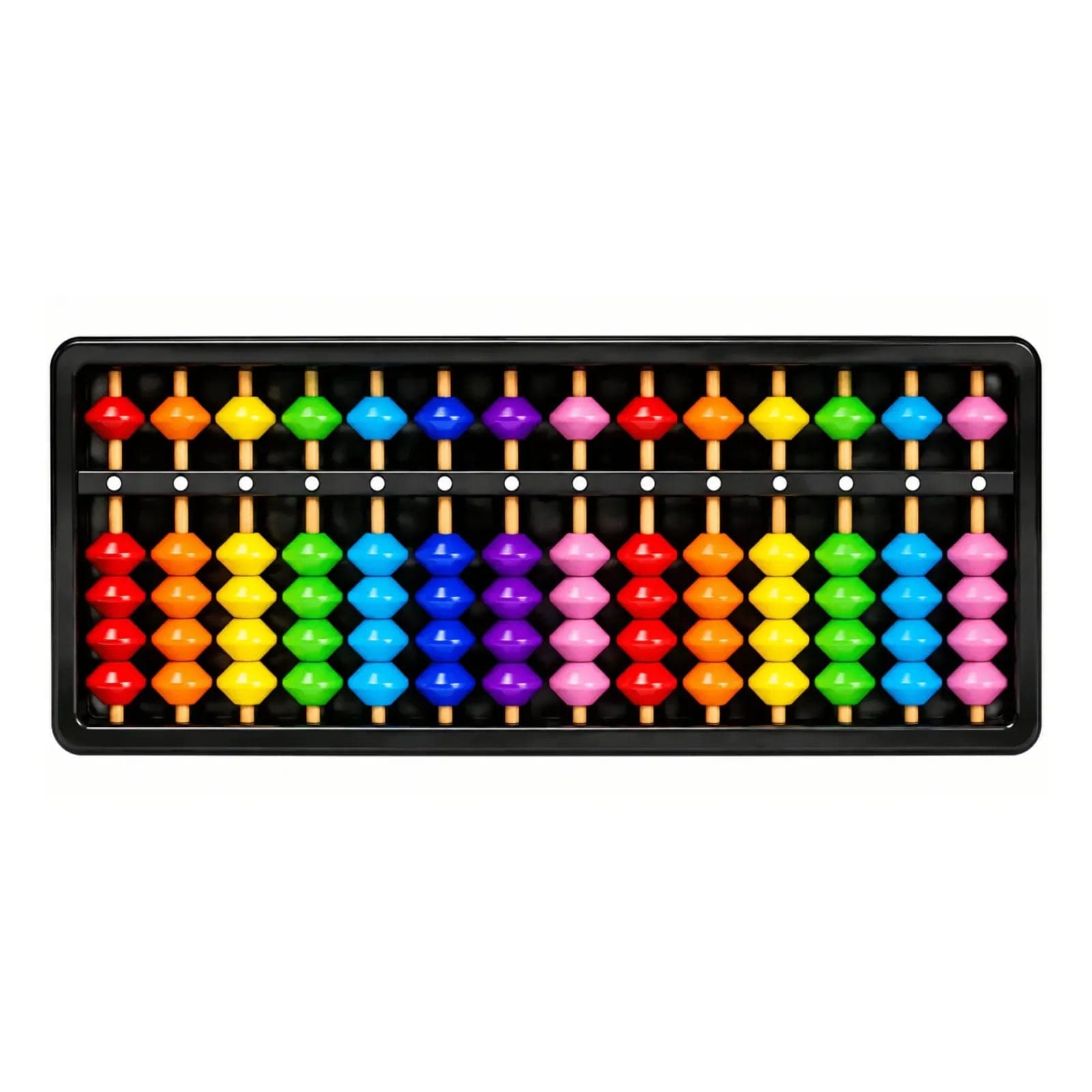
An abacus is a frame with beads on rods, used for centuries to perform calculations by hand. In a children's abacus class, kids first learn to physically move beads to add, subtract, multiply, and divide.
Once that's comfortable, most programs move children into mental abacus — picturing the bead movements in their head and calculating without touching a physical tool at all. This mental visualization stage is where the well-known "fast mental math" skill actually comes from, and it's the part that takes the most consistent practice to build.
What Age Should a Child Start Abacus Classes?
Most abacus programs, including structured ones like Orphosys Foundation's, are designed to start around age 5 to 6, once a child is comfortable with basic number recognition and counting. Some programs accept children slightly younger or older depending on individual readiness — a good center will assess this rather than enrolling purely by age.
Key Benefits of Abacus Classes for Kids
1. Faster, more confident mental calculation Regular practice builds real number fluency, not just memorized facts — kids start "feeling" quantities and relationships between numbers.
2. Better concentration Abacus work, especially mental abacus practice, requires sustained visual and mental focus. Many parents notice this attention carrying over into schoolwork.
3. Whole-brain engagement Abacus practice combines analytical calculation with visual-spatial imagination, engaging both in a single exercise.
4. Improved confidence in math class Children who calculate quickly and accurately tend to participate more, worry less about timed tests, and approach word problems with more confidence.
5. A structured, skill-building activity Unlike passive screen time, abacus classes build a discipline of regular, focused practice — a habit that extends well beyond math.
What Does a Typical Abacus Class Look Like?
Small group sizes so an instructor can correct bead technique and hand position individually
Level-based progression — starting with basic bead manipulation, moving through simple then multi-digit arithmetic, and eventually into mental abacus
Short in-class drills combined with take-home practice, since consistency matters more than session length
Periodic assessments to track calculation speed and accuracy as a child moves up levels
Optional competitions or certificates in many programs, which can motivate kids who enjoy benchmarking progress
How Long Does It Take to See Results?
Every child progresses differently, but noticeable improvement in calculation speed and confidence typically appears within the first few months of consistent practice — usually 10–15 minutes of daily practice alongside weekly classes. Full mental abacus fluency is a longer, level-based journey that can take a couple of years to fully develop, depending on the child and how regularly they practice.
How to Choose a Good Abacus Class for Your Child
Not all programs are equal. Before enrolling, check for:
A visible, leveled curriculum — not vague "brain development" claims with no structure.
Small class sizes for individual correction, not large groups where technique goes uncorrected.
A trial class option so you can see how your child responds before committing.
Clear explanation of the mental abacus stage — a sign the instructor understands teaching beyond basic drills.
A way to practice consistently at home, whether that's a physical abacus, worksheets, or a practice app.
Regular parent updates on how your child is actually progressing through the levels.
Frequently Asked Questions
What is the right age for abacus classes for kids? Most programs start around age 5–6, once a child knows basic number recognition, though some centers assess readiness individually rather than by age alone.
Do abacus classes really improve math skills? Yes, when practiced consistently — abacus training builds genuine number fluency and calculation speed, particularly once a child progresses to mental abacus visualization.
How often should a child practice abacus at home? Most programs recommend short daily practice, around 10–15 minutes, in addition to weekly classes, since consistency matters more than long occasional sessions.
Does my child need to own a physical abacus? Yes, especially in the early levels — a physical abacus for home practice reinforces what's taught in class before a child transitions to mental abacus work.
Are abacus classes only useful for math? While the core skill is calculation, many parents and instructors also report benefits in focus, memory, and overall confidence tackling structured tasks.
How long until a child reaches mental abacus level? This varies by child and consistency of practice, but it's typically a multi-level journey spanning a couple of years rather than a few months.
Give Your Child a Strong Foundation
A good abacus program combines a structured curriculum, an experienced instructor, and a format your child actually enjoys attending week after week. Orphosys Foundation offers level-based Abacus classes for kids — alongside Vedic Maths, DMIT, and Spoken English — across centers in Kolkata, Ranchi (Jharkhand), Bhubaneswar (Odisha), Assam, and Tripura, with the Orphosys Kids app and Beady AI tutor to support practice between classes.
Get in touch: 📞 +91 90462 40290 🌐 orphosysfoundation.org
Related reading: Abacus Teacher Training in India: How to Become a Certified Abacus Trainer
Orphosys Team
Editorial team at Orphosys Foundation, dedicated to brain development and academic excellence.
Discussion (0)
Be the first to share an insight